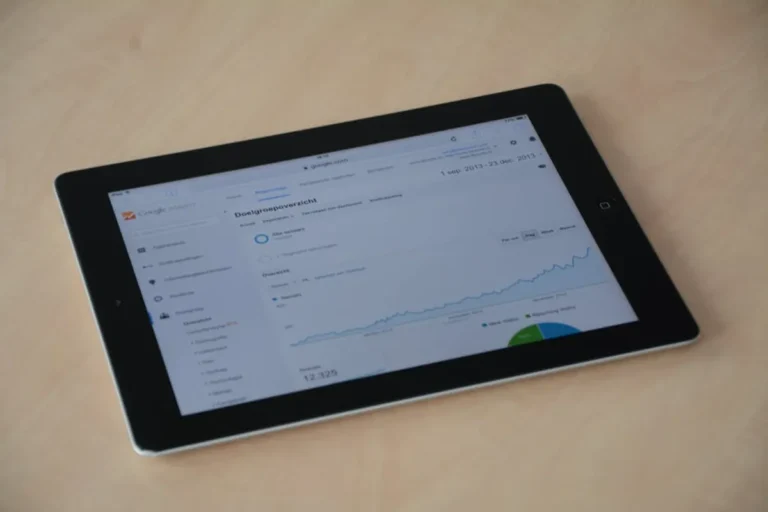

Understanding where your content ranks in search engine results is not merely a vanity metric; it is a fundamental pillar of strategic SEO. A keyword position tracker provides the objective data necessary to evaluate content performance, identify market shifts, and pinpoint opportunities for improved visibility. Without accurate, timely ranking data, SEO efforts operate in a strategic void, unable to measure impact or adapt to the dynamic search landscape. This guide outlines the essential components of keyword position tracking, detailing how to leverage this data for actionable insights and sustained organic growth. This guide outlines the essential components of keyword position tracking, detailing how to leverage this data for actionable insights and a complete guide for SEO teams.
What is a Keyword Position Tracker?
A keyword position tracker is a specialized tool designed to monitor and report the organic search engine ranking of specific keywords for a given website. It systematically queries search engines for designated terms, recording the position of your domain (or a competitor's) within the search engine results pages (SERPs). This process typically occurs at regular intervals—daily, weekly, or even hourly—providing a historical record of performance fluctuations. The data collected extends beyond a simple numerical rank, often including information on SERP features, competitor visibility, and localized results.
Strategic Imperatives for Tracking Keyword Positions
Consistent keyword position tracking provides a critical feedback loop for SEO campaigns, translating effort into measurable outcomes and informing future strategy. The commercial value derives from:
- Performance Measurement: Quantifying the direct impact of content updates, technical SEO improvements, or link building campaigns on organic visibility. This allows for clear ROI demonstration and resource allocation adjustments.
- Opportunity Identification: Pinpointing keywords where your site ranks on page two or three (positions 11-30). These "near-miss" keywords represent immediate opportunities for optimization, as small improvements can yield significant traffic gains.
- Threat Detection: Rapidly identifying sudden drops in rankings, which can signal algorithm updates, technical issues, or increased competitor activity. Early detection enables swift corrective action, minimizing prolonged visibility loss.
- Competitor Analysis: Monitoring competitor ranking performance for shared target keywords. This reveals their content strengths, strategic shifts, and potential gaps in your own keyword targeting.
- Market Trend Analysis: Observing broad shifts in keyword performance across a sector. This can indicate evolving user intent, emerging topics, or changes in how search engines value specific content types.
- Localized Visibility: For businesses serving specific geographic areas, tracking local pack and localized organic results is essential to capture nearby search demand.
Key Capabilities of an Effective Keyword Position Tracker
Not all trackers offer the same depth or granularity. When evaluating solutions, consider features that directly address your strategic needs:
- Granular Data Collection: Daily or hourly updates are crucial for high-stakes keywords or volatile industries, enabling real-time response to SERP changes. Weekly updates suffice for stable, long-tail terms.
- SERP Feature Tracking: Beyond the standard 10 blue links, a robust tracker identifies visibility in featured snippets, People Also Ask (PAA) boxes, image carousels, local packs, and video results. This is vital for understanding true SERP dominance.
- Historical Data Retention: Access to long-term ranking history (months to years) is indispensable for identifying seasonal trends, measuring the cumulative effect of SEO efforts, and diagnosing past performance issues.
- Competitor Monitoring: The ability to track multiple competitors simultaneously for the same keyword sets provides a comparative benchmark, highlighting where you gain or lose ground relative to rivals.
- Geographic and Device Specificity: Tracking rankings from specific cities, states, or countries, and differentiating between mobile and desktop results, ensures data accurately reflects your target audience's search experience.
- Reporting and Alerting: Customizable dashboards, scheduled reports, and automated alerts for significant rank changes (e.g., dropping out of the top 10) facilitate proactive management and stakeholder communication.
Crafting Your Keyword Tracking Strategy
Effective tracking begins with a well-defined strategy:
- Keyword Segmentation: Group keywords by intent (informational, commercial, navigational), topic cluster, content type, or business priority. This allows for targeted analysis and optimization.
- Target vs. Discovery Keywords: Track core, high-value keywords consistently. Also, monitor a separate set of discovery keywords to uncover new opportunities or assess the impact of broader content strategies.
- Frequency Alignment: Align tracking frequency with keyword importance. Daily checks for high-volume, competitive terms; weekly or bi-weekly for long-tail or less volatile phrases.
- Geographic Precision: Specify the exact locations relevant to your audience. A national e-commerce site might track nationwide, while a local service business needs city-level data.
- Device Focus: Ensure tracking differentiates between mobile and desktop results, as rankings and SERP layouts often vary significantly.
Pro Tip: Focus on Trends, Not Daily Noise
While daily ranking data offers granular insight, avoid overreacting to minor day-to-day fluctuations. Search engine results are inherently dynamic. Instead, look for sustained upward or downward trends over a week or month. Significant drops or gains warrant immediate investigation, but minor shifts are often just SERP volatility.
Interpreting Data for Actionable Insights
Raw ranking numbers are only valuable when translated into actionable insights:
- Identify Rank Volatility: Keywords with frequent, large rank swings may indicate high competition, algorithm flux, or content that isn't fully satisfying user intent. Investigate these for optimization potential or to understand market dynamics.
- Spot SERP Feature Gaps: If competitors consistently appear in featured snippets for your target keywords and you don't, analyze their content structure, conciseness, and authority. This highlights a direct optimization path.
- Measure Content Impact: Correlate content updates or new page launches with subsequent ranking changes. A positive shift validates content strategy; a negative or stagnant one signals a need for revision.
- Uncover Cannibalization: If multiple pages on your site rank for the same keyword, observe their positions. A tracker can help identify if one page is outranking another, or if they are competing inefficiently.
Leveraging Position Data for Opportunity Discovery
Beyond defensive maneuvers, position data is a powerful engine for growth:
Near-Miss Keywords: Focus on keywords ranking in positions 4-10. These pages are already recognized by search engines but need a push. Targeted optimization (improved content depth, better internal linking, enhanced user experience) can often elevate them to the top 3, driving substantial traffic increases.
SERP Feature Optimization: Analyze SERP features appearing for your target keywords. If "People Also Ask" boxes are prevalent, integrate similar question-and-answer sections into your content. If video carousels dominate, consider creating video content. Position trackers often show which URLs are winning these features, providing a blueprint.
Competitor Strategy Unveiling: Observe which keywords your competitors are gaining or losing positions for. A competitor's sudden rise could indicate a new content piece, a technical improvement, or a successful link-building campaign, offering clues for your own strategy.
Brand Visibility Expansion: Track branded keywords and variations. This ensures brand protection and helps identify areas where your brand might be underrepresented or where negative search results could appear.
Maximizing Your Visibility Spread
A keyword position tracker is not a passive reporting tool; it is an active intelligence system. To maximize its value, integrate the data into your daily SEO operations. Regular analysis of ranking trends, coupled with insights into SERP features and competitor movements, provides a dynamic roadmap for content creation, technical optimization, and link building. Use the data to prioritize efforts, validate hypotheses, and continuously refine your approach to organic search. The goal is not just to track positions, but to actively influence them, expanding your visibility across the entire search landscape and capturing more qualified organic traffic.
Frequently Asked Questions
How often should I check my keyword positions?
For critical, high-volume keywords, daily tracking is advisable to catch rapid shifts. For most other keywords, weekly or bi-weekly checks are sufficient to observe trends without getting bogged down in daily noise. The frequency should align with the volatility of the keywords and your capacity for analysis.
What is the difference between organic and local keyword tracking?
Organic keyword tracking monitors your website's position in the general search results for a given keyword. Local keyword tracking, however, specifically monitors your position within localized search results, such as the local pack (map results) or organic results filtered by a specific geographic location (e.g., "plumber near me"). This distinction is crucial for businesses with a physical presence.
Should I track all my keywords?
While comprehensive tracking offers a broad view, it's often more strategic to focus on a prioritized list of keywords. This includes high-value, target keywords, "near-miss" keywords, and a representative sample of long-tail terms. Tracking too many irrelevant keywords can dilute focus and inflate costs without providing commensurate strategic value.
How can I use position data to improve my content?
Position data directly informs content strategy. If a page ranks on page two for a target keyword, it indicates the content is relevant but needs improvement to compete for page one. This might involve expanding content depth, updating information, improving readability, adding multimedia, or optimizing for specific SERP features like featured snippets. Conversely, if a page is losing rank, it suggests the content may be outdated, outcompeted, or suffering from technical issues.